
Piping Engineering Solutions – Enhancing Industrial Safety, Reliability & Performance In every industrial facility, whether it is oil and gas, petrochemical, manufacturing, or water treatment,...
Every structure relies on a strong foundation. It bears the entire load of the building, stabilises the superstructure, and ensures long-term durability. At Ellipsoid Designs, we approach foundation design with precision, clarity and foresight. By integrating Building Information Modelling (BIM) into our workflow, we help elevate structural safety standards and improve performance forecasting for projects of all sizes.
This article explores how BIM supports high-quality foundation design and why this matters for the long-term success of modern buildings.
What Is Foundation Design?
Foundation design is the process of planning and specifying the base structural systems that transfer building loads to the ground. It includes slab foundations, strip footings, pile caps, ground beams and reinforced pads.
Designing these elements requires a deep understanding of load paths, soil behaviour, structural stiffness and construction methodology. Errors or assumptions at this stage can lead to excessive settlement, uneven load distribution or even structural failure.
Through careful modelling and analysis, we ensure that each foundation element performs its function safely and efficiently.
Foundation design also considers constructability and long-term performance. Our teams evaluate ground preparation strategies, rebar congestion and waterproofing methods to provide solutions that are technically robust and practical to build.
Why Foundation Design Impacts Safety
Foundations are critical to the overall safety of a building. Poorly designed systems may suffer from long-term settlement, lateral shifting or load imbalance. These problems create downstream issues in the superstructure, affecting walls, columns, floors and facades.
Accurate design helps prevent these outcomes. It allows engineers and contractors to specify the right materials, reinforcements and installation sequences. It also supports more effective inspections, testing and handover.
When combined with BIM, foundation design becomes even more robust. The ability to model site-specific risks, visualise conditions in 3D and test alternatives leads to better decisions and improved outcomes.
Safety is further enhanced by being able to simulate potential construction challenges, assess excavation boundaries, and communicate risk zones to all project stakeholders.
How BIM Improves Foundation Design
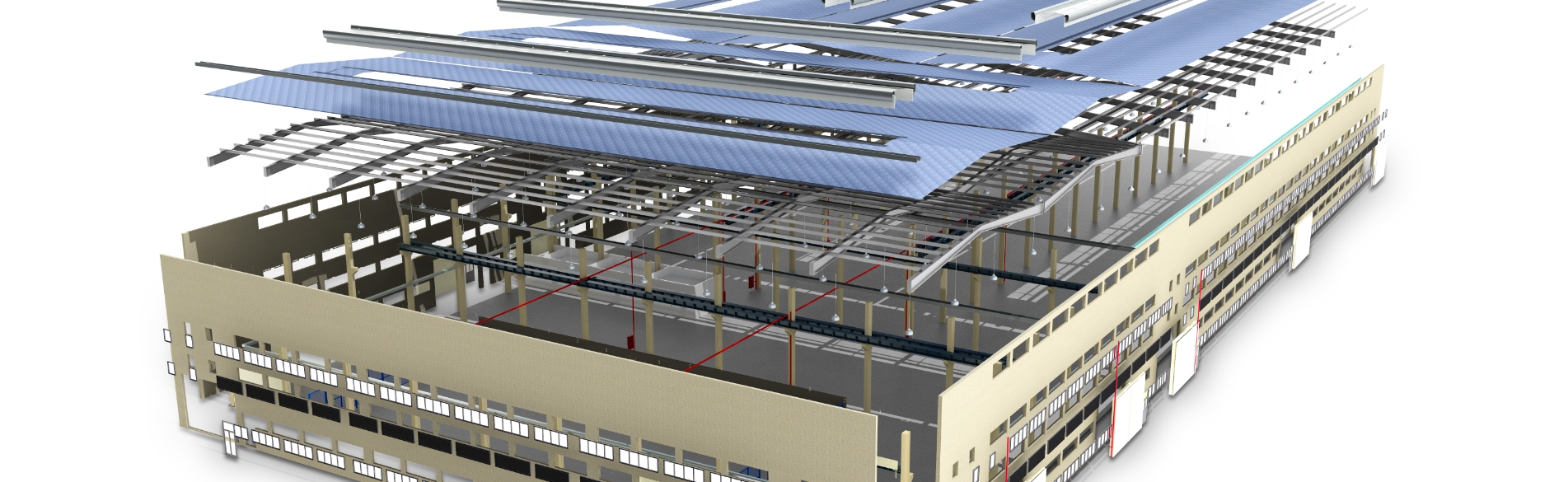
We use BIM tools to produce accurate 3D models of all foundation components. These models include geometry, reinforcement details and embedded items such as holding-down bolts and pile cages.
Working in 3D improves coordination with architectural layouts, basement structures and MEP elements. Our models help eliminate conflicts early, ensuring that rebar, pile caps and walls work together within tight spatial zones.
Foundation BIM also supports:
- Clash detection between foundations and underground utilities
- Sequencing and pour planning
- Ground movement analysis based on geotechnical data
- Reinforcement detailing in 3D for greater site accuracy
- Visual safety reviews for excavation logistics and temporary works planning
These benefits improve the overall quality and safety of the design.
We also use BIM to review constructability alongside engineers and contractors, ensuring that proposed detailing suits available site equipment, delivery constraints and labour skillsets.
Accurate Performance Forecasting Through Digital Design
Accurate forecasting is key to a safe and efficient foundation system. Through BIM, we simulate real-world behaviour using geotechnical parameters, structural loads and sequencing logic.
Our foundation models reflect real conditions and support iterative analysis. We work with geotechnical engineers to validate soil response, define allowable bearing pressures and assess lateral resistance.
This approach reduces over-engineering while preserving safety margins. It also helps clients understand potential risk areas, from differential settlement to construction staging issues.
We provide early-stage assessments that support tender returns and value engineering. These include alternative pile layouts, ground-bearing checks and staged pour analysis to inform programme development.
With every revision, we keep structural performance and construction feasibility aligned. That means more informed decisions, fewer redesigns and better outcomes.
Coordination with Structural and MEP Disciplines
The foundation interfaces with almost every part of a building. Drainage pipes, cable trays and service risers often enter at slab level or pass through retaining walls. We use federated BIM models to coordinate these elements with precision.
By integrating with structural BIM and MEP design services, we ensure clean transitions and avoid rework. These details matter not only for structural safety, but also for installation and long-term maintenance.
Our workflow also includes point cloud checks where required, using scan to BIM data to confirm excavation boundaries and existing conditions.
We also provide lift pit coordination, stair support details and core wall integration to ensure that foundation elements support the architectural vision without compromising on structural function.
We regularly liaise with temporary works designers to ensure foundation layout and ground support are compatible with excavation support and phasing requirements.
Deliverables That Support Construction and QA
We provide clear, structured drawings and 3D outputs that contractors can rely on. These include:
- Foundation plans and sections
- Reinforcement details with bar schedules
- Construction sequencing layouts
- Coordination sheets showing service penetrations and blockouts
- Pile layouts and mat slab reinforcement overlays
Our models serve as the basis for accurate construction drawings, as well as as-built records at the closeout stage.
Each deliverable is created with buildability in mind. Site teams can visualise construction steps, check reinforcement cover zones and plan installations with greater certainty.
We also issue installation packs that include sequence illustrations, pour breaks and typical rebar arrangements to streamline work on site.
In many cases, our visual outputs reduce the need for excessive note-taking or redlining on site. Teams have a clearer picture from the outset.
Why Choose Ellipsoid Designs for Foundation Modelling
We combine technical expertise with collaborative BIM processes to deliver safe, accurate and coordinated foundation designs. Our foundation modelling supports early decision-making, reduces construction risk and improves structural performance.
Whether you’re developing a deep basement, industrial slab or complex pile arrangement, our models offer clarity, coordination and certainty.
Our proactive approach ensures that structural teams, architects and contractors are aligned early. We use clash resolution, visual reviews and data-driven performance checks to reduce ambiguity and build better outcomes.
We also assist with BIM execution planning and model progression documentation, ensuring that our foundation design outputs fit seamlessly into project-wide digital delivery frameworks.
To discuss your next project or request a foundation model review, contact us today.